
TL;DR
- Fortnite, created by Epic Video games, got here out in 2017 and has turn out to be one of many defining battle-royale video games within the style.
- In 2025, Fortnite noticed a number of successes, with The Simpsons mini-season attracting 2.7 million gamers who usually logged in.
- Third-party microtransactions have been enabled on January 12, 2026, permitting creators to supply gadgets starting from 150 V-Bucks to five,000.
- Followers have criticised how Epic Video games has primarily given creators free rein with microtransactions.
- Already, many are calling for Epic Video games to set some restrictions on how creators ought to use microtransactions.
Fortnite has more and more advanced right into a platform, and in January 2026, developer Epic Video games took additional steps to solidify this. Third-party in-island microtransactions have been rolled out, which means that creators may set costs inside their maps, incomes 100% of the V-bucks spent by gamers. After January 2027, Epic Video games will take a 50% lower.
Though the concept sounds good for creators, it has already led a couple of to create loot containers and playing mini-games on customized maps that use third-party microtransactions. With hundreds of thousands of children enjoying Fortnite, it’s probably they’ve been uncovered to, or are about to be uncovered to, these video games. Right here’s why it’s setting a foul precedent for Fortnite.
Why third-party microtransactions in Fortnite are a foul concept
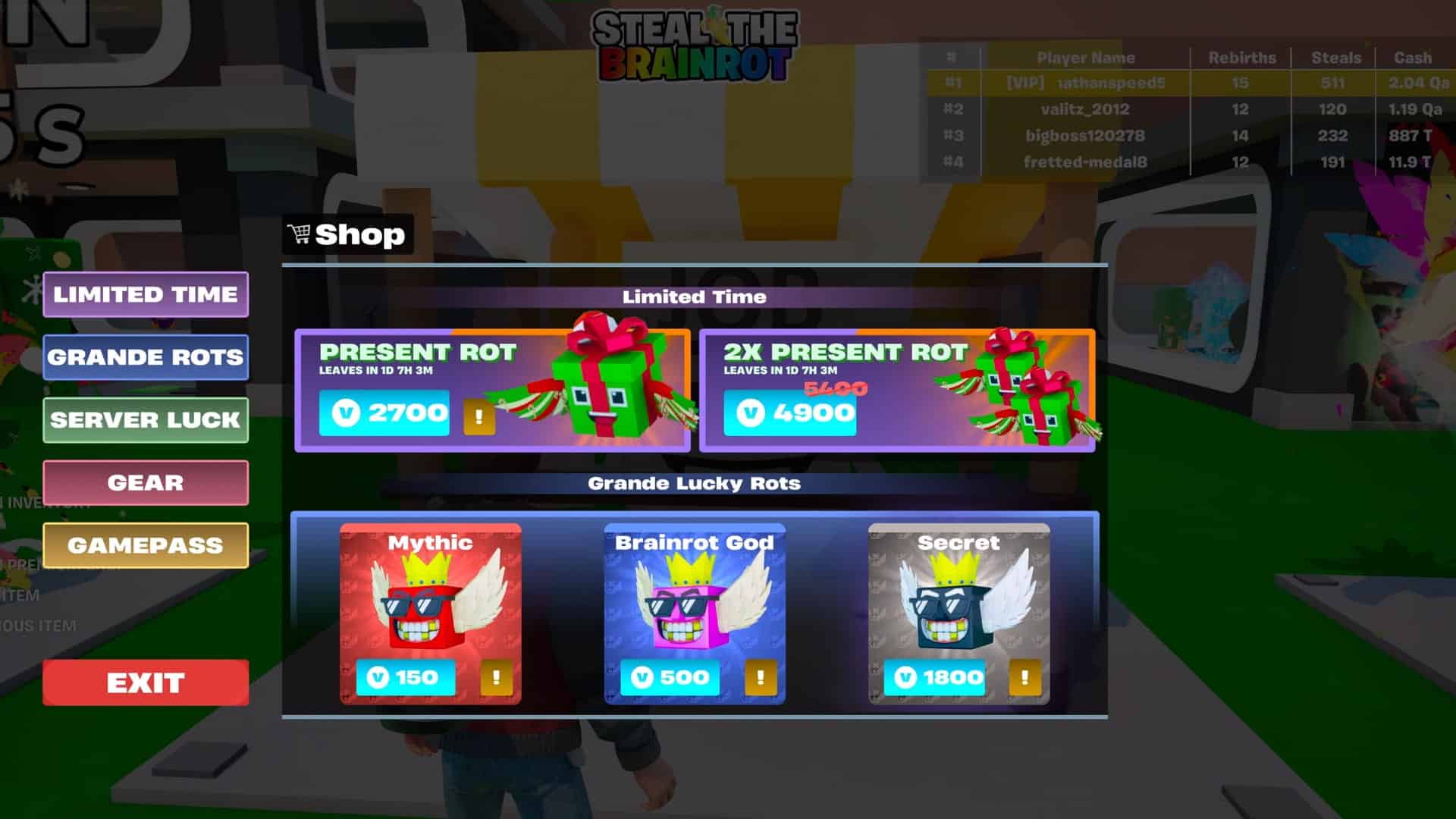
Paying for in-game gadgets from third-party builders is nothing new. For nearly so long as Apple’s App Retailer has been dwell, customers have been capable of purchase strategies that assist them progress additional in video games like Bejeweled Blitz and Fishdom. However in Fortnite, it’s a special ball sport.
For instance, a third-party map referred to as Steal the Brainrot provides gamers a number of loot containers starting from 150 V-Bucks to five,000. There’s additionally a spin-the-wheel sport at 100 V-Bucks apiece. When it comes all the way down to it, that is playing, and if children come throughout this sure map who’ve lots of foreign money to spend, it may go straight away from maps like Steal the Brainrot.
It’s value mentioning that Epic Video games has set sure restrictions on how third-party microtransactions can work, with the restrict for an merchandise being 5,000 V-Bucks; they’ll’t be a rip-off of what Fortnite is promoting itself, in addition to the international locations they’re allowed in, which embody:
- Australia
- Belgium
- Brazil (U18, efficient March 2026)
- Netherlands
- Qatar
- Singapore
- United Kingdom (U18)
There are additionally parental controls that restrict how children enjoying Fortnite can use V-Bucks, similar to requiring a PIN earlier than purchases and age-based restrictions. However there must be extra.
How Epic Video games can repair Fortnite’s third-party microtransactions

First off, there needs to be parental controls to ban third-party microtransactions outright. Regardless of gamers underneath 13 being underneath a Cabined Account that watches for any unauthorized purchases in Fortnite, there are nonetheless methods to bypass this. As well as, some between 13 and 20 are nonetheless susceptible to going to maps like Steal the Brainrot and losing V-Bucks. Having a toggle to ban these could possibly be a constructive step.
Second, the flexibility to set third-party microtransactions shouldn’t be a characteristic granted to all creators instantly. Very similar to accounts on Twitch and YouTube must develop their channels and followers to monetize, Epic Video games ought to take into account one thing just like enable third-party creators to earn microtransactions over time. Maybe as soon as they’re granted, a restrict of 500 V-Bucks needs to be set, then raised over time. This manner, there’s some management over what they could provide, and it offers dad and mom some peace of thoughts.
Lastly, lootboxes and spin-the-wheel video games needs to be outright banned. It is unnecessary for Epic Video games to permit them in Fortnite, particularly when some maps outright provide these playing video games for five,000 V-Bucks, the equal of roughly $40. These are already doing oblique hurt to Fortnite as a complete, and it takes away from the enjoyable that its principal modes have been providing for years.
Epic Video games has performed lots of good for the Fortnite group and its collabs, but it surely’s risking quite a bit by not being an even bigger overseer on how third-party microtransactions are at the moment being utilized by some creators.
Conclusion
Contemplating we’re solely every week from third-party transactions being provided, it’s not been an ideal week for Epic Video games. Though it’s meant to supercharge creators by providing paid gadgets to assist them monetise their manufacturers, different maps, similar to Steal the Brainrot, have already proven that the strategy is flawed.
Epic Video games must recognise that some will reap the benefits of what’s at the moment provided throughout the guidelines of third-party transactions. Loot containers and different playing video games don’t have a spot in Fortnite, or any sport for that matter. If the developer implements sure guardrails, similar to these we’ve talked about above, it may assist restore goodwill with gamers.
FAQ
What are third-party microtransactions in Fortnite?
Third-party transactions enable creators to supply gadgets from 150 V-Bucks to five,000 of their customized maps.
Are you able to get banned for utilizing third-party Fortnite sellers?
Sure, in the event you provide gadgets that straight copy these obtainable within the Fortnite Merchandise Store.
What does Epic Video games say about third-party sellers?
Epic Video games is happy that maps like Steal the Brainrot comply with the foundations, however others disagree.
Do third-party Fortnite websites goal children?
Completely. Regardless of there being loads of parental controls, some third-party Fortnite websites nonetheless provide engaging skins and maps to sure age ranges.