
2025 marked a big shift in how the Valve Regional Standings (VRS) performs a task inside the Counter-Strike 2 (CS2) esports ecosystem.
Following the announcement earlier this yr that event organiser StarLadder will host the subsequent Main, Valve cancelled the Main Regional Qualifiers (MRQs) for the occasion. Because of this, VRS would be the sole figuring out consider choosing the 32 groups competing at Counter-Strike’s largest occasion.
In actual fact, because the VRS system was first launched in 2024, the Counter-Strike 2 esports ecosystem has undergone important shifts which have affected its occasion calendar.
Notable groups have been competing at smaller LAN occasions in a bid to safe extra worthwhile factors. Furthermore, organisations in some instances must resolve which Tier 1 occasions to compete in, whereas event organisers try to draw the world’s largest gamers to their tentpole competitions.
Esports Insider reached out to Counter-Strike 2 occasion organiser BLAST to debate the influence VRS is having on the CS2 ecosystem.
Disclaimer: BLAST has famous to Esports Insider that its written solutions mirror the view of the event organiser through ‘key audio system’ inside the firm.
A Change Of Strategy
Along with Valve altering its strategy to Main qualification, BLAST has additionally adjusted its technique when organising occasions.
“Valve Regional Standings has required us to be extra strong when finalising groups, reasonably than simply leaping to the subsequent workforce,” highlighted the event organiser.
“2025 is the primary yr post-partner programmes, so event organisers have needed to work becoming tournaments into this jigsaw of a yr.”
Like different event organisers working Counter-Strike occasions, BLAST has struggled to draw some high groups to its occasions. Staff Falcons determined to not compete at BLAST Bounty Season 2, citing minimal VRS influence because of the occasion format being break up between on-line and offline matches. For BLAST Open London, Aurora Gaming declined the invite as a result of Counter-Strike’s ‘tight schedule’.
In 2025, to accommodate to Counter-Strike’s new ecosystem, BLAST regarded to bolster its workforce fee construction with the intention of creating its tournaments an attractive prospect to organisations. Nonetheless, regardless of these adjustments, the event organiser highlighted that its present fee mannequin isn’t ‘engaging’ to groups.
“At present, BLAST’s VRS providing just isn’t a gorgeous proposal for groups, with our workforce funds not contributing to VRS,” stated the event organiser.
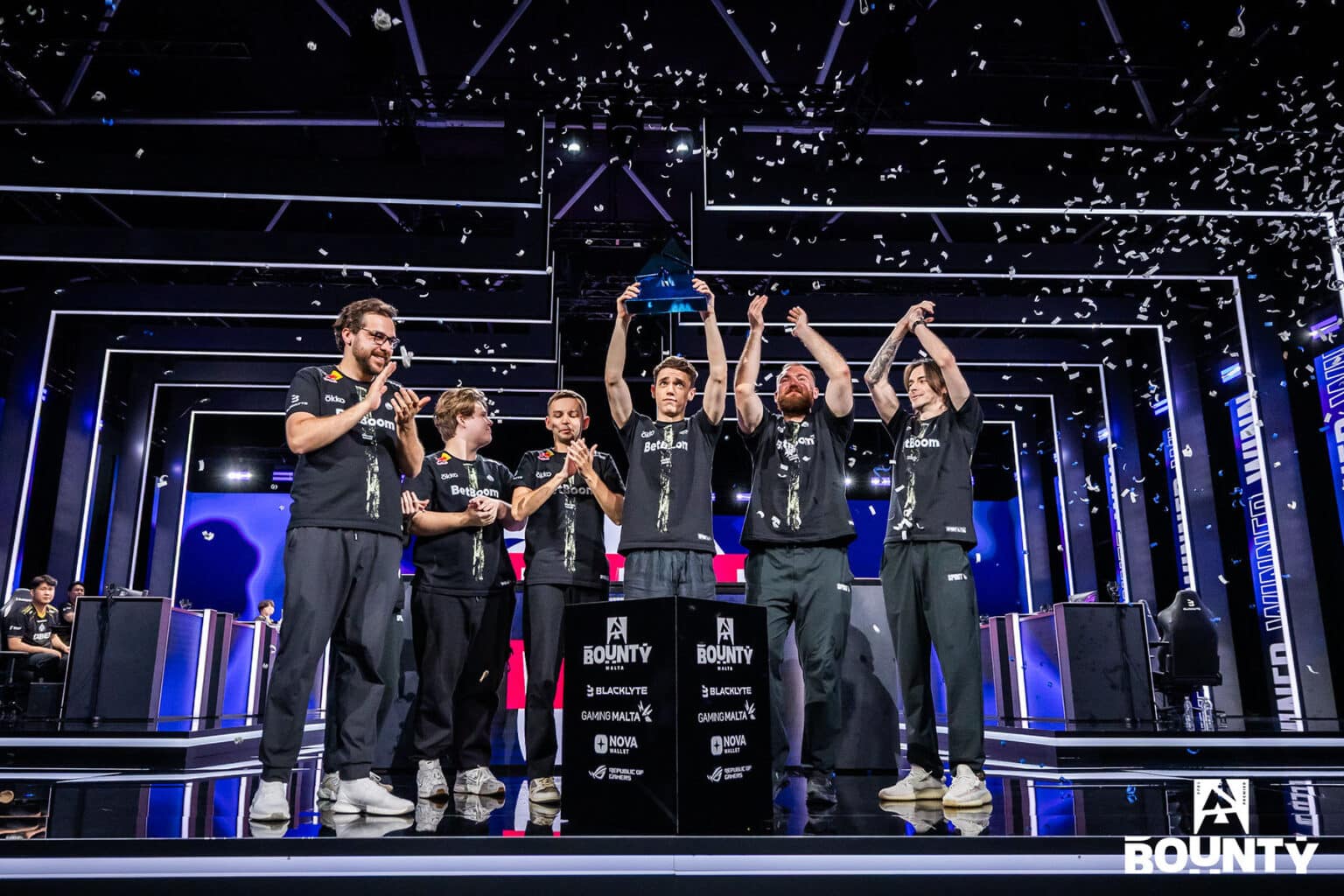

For the 2025 season, BLAST launched participation charges, offering groups that compete at its occasions with a assured revenue primarily based on their rankings on the time they obtain an invite. Alongside participation charges, its Frequent Flyers Programme rewards groups that resolve to compete in a number of BLAST-operated occasions all year long, with $2m (~£1.4m) being distributed on the finish of the season. This method, nevertheless, will seemingly be altered indirectly subsequent yr.
The corporate added: “We’ve made adjustments to our 2026 circuit, which can even see our workforce fee construction additionally depend in direction of VRS.”
Regardless of these hurdles, BLAST nonetheless says its present providing stays aggressive as organisers look to recruit the perfect groups on this planet to their occasions.
“We expect our providing of workforce expertise, workforce participation charges, and longevity within the scene places us larger up the pecking order,” famous the organiser.
Counter-Strike esports’ current developments have offered many event organisers with alternatives to host occasions, giving extra groups than ever earlier than the possibility to compete on the highest ranges internationally. Nonetheless, this has created a extremely congested Counter-Strike calendar, through which clashes can happen and groups should select which occasions to simply accept.
In September, PGL revealed it had altered the top date of its Masters Bucharest Closing, making a two-day hole between its occasion and ESL FACEIT Group-operated IEM Chengdu. In principle, the adjustment will allow groups seeking to compete in each occasions a possibility to journey from Romania to China.
BLAST said to Esports Insider that it has tried to collaborate with different event organisers to create a sustainable event calendar the place groups are capable of take part in all occasions which can be scheduled.
“We’ve tried to have conversations with TO’s to work collectively on aligning a sustainable CS calendar, however sadly, there’s not been a lot curiosity in that. We’ve communicated our dates for 25, 26, and 27 clearly and with an extended lead time so we are able to construct out a strong plan.”
A Optimistic Step
Regardless of the VRS forcing a number of event organisers to regulate scheduling and adapt to groups declining invitations, the brand new construction goals to supply extra aggressive readability to make sure the perfect groups compete.
In the end, the VRS system remains to be comparatively new; as such, Valve is constant to regulate it to supply long-term stability inside the Counter-Strike ecosystem. In February, the developer and writer adjusted forfeit values, alongside altering how event knowledge is recorded to keep away from negatively impacting the rating replace timeframe.
The recording of event knowledge has prompted points all year long, with the likes of GamerLegion claiming it had missed out on occasion invites because of the system failing to take prize cash from earlier occasions into consideration.
June noticed one other adjustment to the VRS, with Valve opting to cancel the MRQs for the Budapest Main. The developer and writer stated a separate qualification course of for the Main is pointless and disruptive.
Having VRS decide Main groups lowers the possibility of an underdog workforce producing a Cinderella story of their very own, an usually praised a part of Counter-Strike event construction.
Then again, the newfound consistency of the system ensures the perfect groups make it to Counter-Strike’s largest occasion.
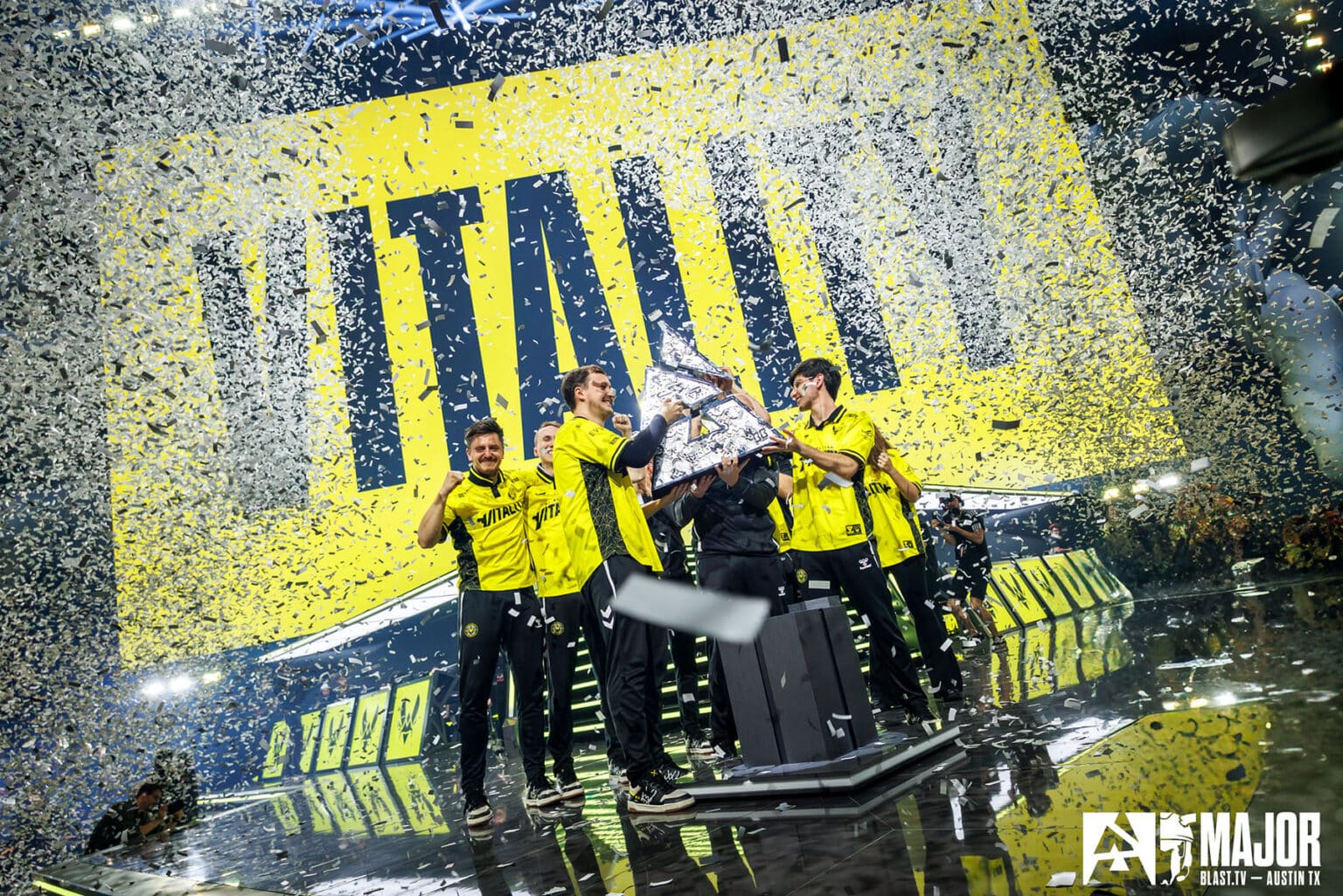
“Like several new system, the VRS has its challenges, however general, it’s a constructive step,” stated BLAST. “Take a look at Lynn Imaginative and prescient and Nemiga Gaming’s run [at the BLAST.tv Austin Major]. Take a look at PaiN Gaming making it to the semi-finals after by no means qualifying for a Main playoffs.”
VRS Is Right here To Keep

VRS Is Right here To Keep
Whether or not followers, groups, gamers, or event organisers just like the elevated significance of the VRS, it’s right here to remain for the foreseeable future.
Nonetheless, the dilemma of groups prioritising which occasions stay as a result of a number of tournaments overlapping or leaving no time to journey between them. Whereas the VRS rewards groups reaching excessive ranges of consistency all year long, it stays a headache for operators seeking to recruit the perfect groups for its tournaments.