
TL;DR
- Dishonest infects the professional scene with gamers like KQLY and emilio getting caught and handed down lifetime bans.
- Match-Fixing uncovers an trade of professional CS gamers throwing matches for skins in an unregulated market.
- Skins & Playing: Unregulated betting of CS2 skins results in content material creators deceptive their underage followers into playing.
- The Coach bug allowed coaches like HUNDEN to abuse an exploit to realize an unfair benefit for his groups in real-time aggressive matches.
For the reason that daybreak of aggressive Counter-Strike, a near-constant rigidity has existed between the pursuit of aggressive purity and the attract of incentives surrounding it. CS2, which changed CS:GO, was meant to be a clear slate. As a substitute, it inherited lots of the identical integrity points that plagued the sport’s historical past.
Dishonest, Match-fixing, and the shady introduction of skins and playing; these points have been current lengthy earlier than the CS2 launch date. CS2 has emerged from the shadow of CS:GO’s rocky previous, formed by years of unresolved points. We are going to discover the specifics of every of those points, starting from top-tier professional gamers caught dishonest to whole groups receiving lifetime bans for match-fixing.
Dishonest: An previous drawback that by no means left Counter-Strike

Dishonest has been a long-talked-about difficulty inside the CS2 sport. Nonetheless, a number of the sport’s most notorious scandals originated from dishonest not simply within the informal scene but additionally within the skilled scene. Gamers who we’ve seen on the primary stage enjoying for tier 1 groups, on LAN and On-line play.
In 2014, Hovik “KQLY” Tovmassian was banned for dishonest. He performed for top-of-the-line groups on the planet. This French participant took the stage at a number of the world’s most well-known CS tournaments, together with StarLadder, DreamHack, ESL One: Cologne, and Katowice, competing for the notorious groups Crew LDLC and Crew Titan. Whereas claiming the ban was “justified”, he claimed to solely use it for every week and never in any aggressive matches. This was not confirmed by Valve and stays a stain on the aggressive integrity of the sport.
Not solely in 2014 was KQLY banned, however Joel “emilio” Mako was additionally VAC banned this another publicly dealing with than the final, as he was banned mid-match at Fragbite Masters, Emilo enjoying for Crew Property, was in opposition to Hellraisers on spherical 12, the server learn:
“emilioOOo<25>” disconnected (motive “VAC banned from safe server,” learn the server log.”
That is taking place so near KQLY’s ban, which bolstered the worry that the anti-cheat system was struggling to maintain up with the ever-growing CS participant depend, and that they couldn’t belief the integrity of top-level video games.
Match-fixing: the scandal that modified Counter-Strike perpetually
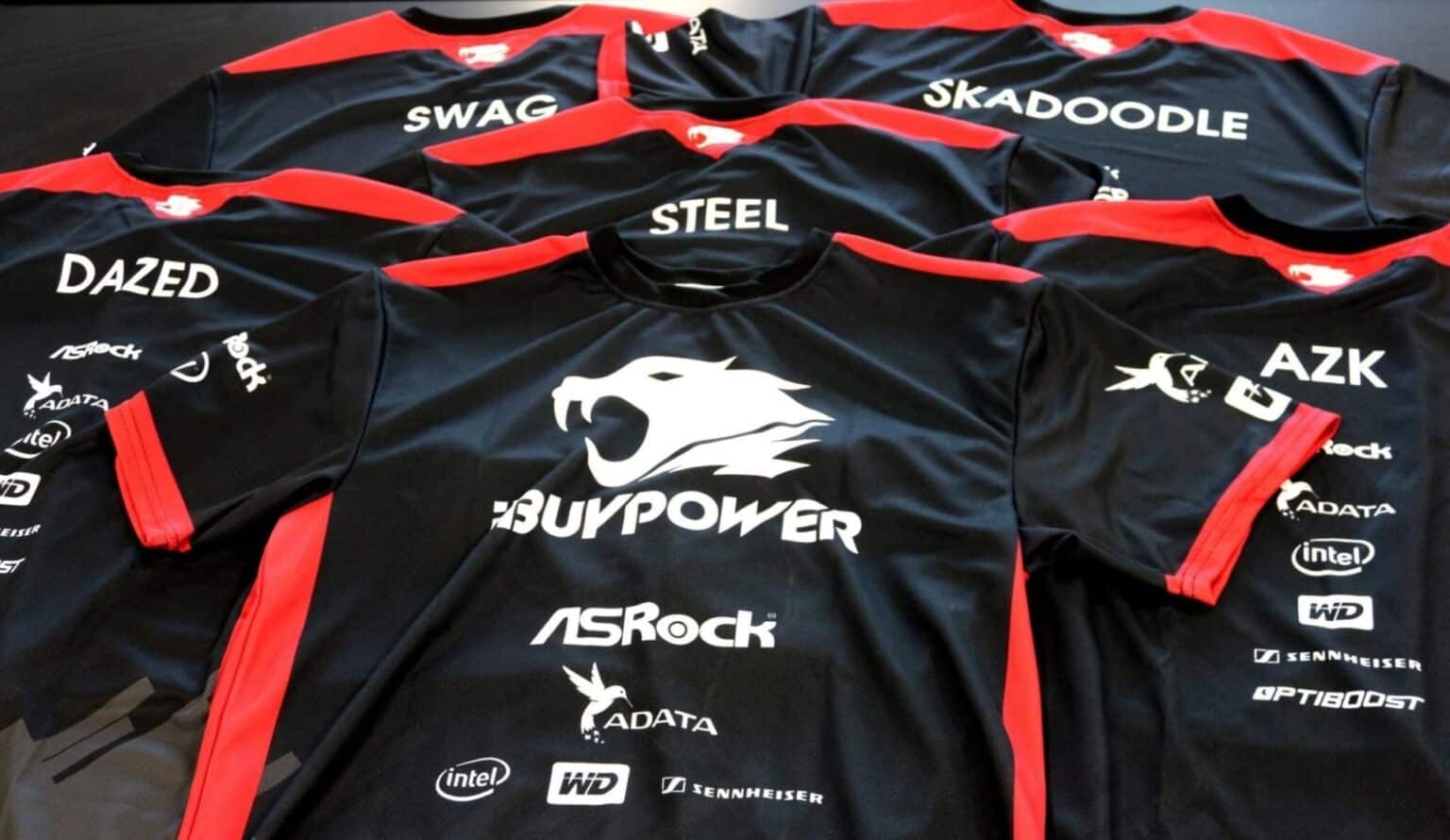

Dishonest uncovered the gaps within the safeguarding of Counter-Strike’s aggressive scene, and Match-Fixing confirmed its vulnerability below monetary stress. The most important scandal, iBUYPOWER, continues to be remembered to this present day over a decade later and has completely reshaped how it’s enforced.
In 2014, 4 out of 5 iBUYPOWER gamers have been handed lifetime bans from Valve for purposely throwing a match. This was a CEVO event in opposition to the group NetCodeGuides in trade for CS skins. This was a blatant try to take advantage of the unregulated pores and skin betting market that surrounded CS:GO on the time.
This resulted in 4 of the gamers and some extra concerned (Sam “DaZeD” Marine, Joshua “metal” Nissan, Braxton “swag” Pierce, Keven “AZK” Larivière, Duc “cud” Pham, and Derek “dboorn” Boorn, together with organizer Casey “caseyfoster” Foster) receiving lifetime bans from all Valve-sponsored occasions.
This has set a transparent precedent from Valve, imposing that they’ve a zero-tolerance coverage for match fixing. This was later seen as properly after investigations into the North American MDL league that noticed widespread match fixing normally with decrease tier groups with smaller salaries this contains massive names nonetheless corresponding to Crew Epsilion, when proof was introduced that they have been match fixing in addition they obtained life time bans as this was years later it instill a way of fear that the specter of match maniupulation nonetheless looms over the scene.
Playing
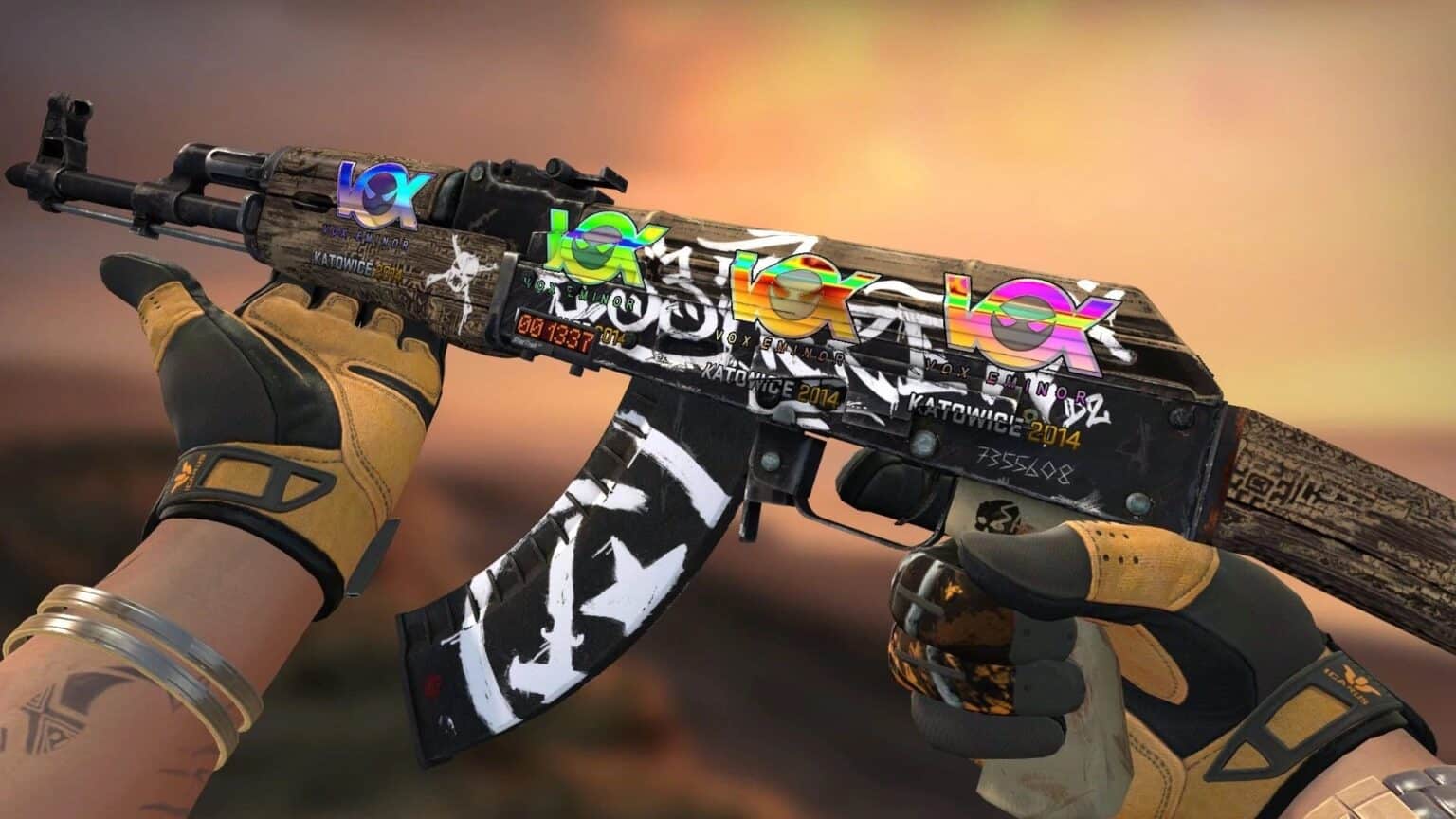
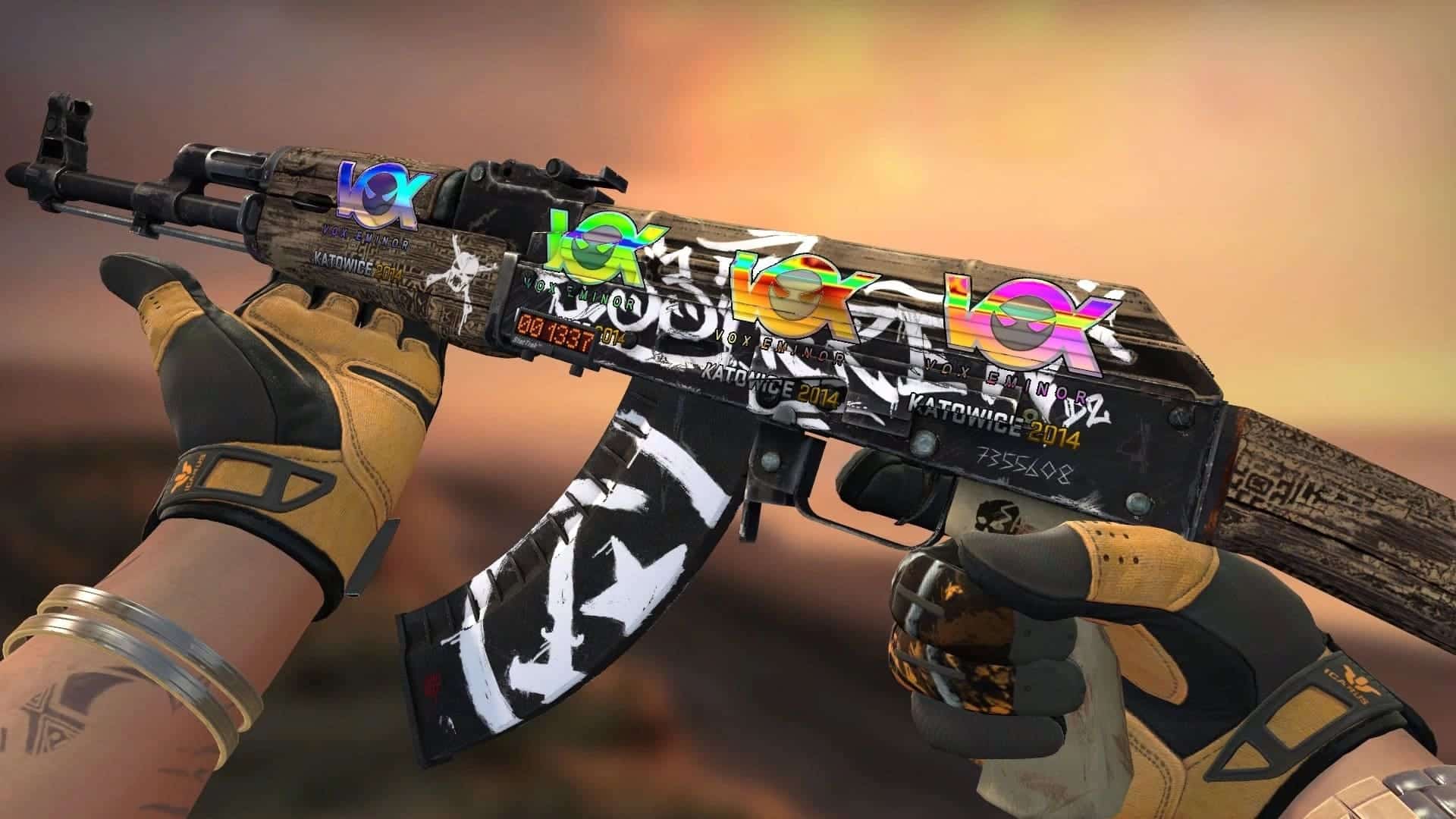
Few points have plagued Counter-Strike greater than the introduction of skins and CS2 playing with these in-game cosmetics. This economic system has developed right into a full self-sustaining system that blurred the traces between beauty gadgets and in-game foreign money. In the course of the early phases of this, we noticed websites exploit the gray space of in-game playing gadgets, so that they didn’t want official playing licenses or confirm the ages of gamers.
This drew the eye of mainstream media as tales of underage youngsters spending their very own and their dad and mom’ cash on playing developed addictions at such an early age, displaying the lengths a few of these websites will go to as a way to generate profits. This was by no means extra obvious than when common streamers have been showcasing these websites, encouraging their youthful fanbase to partake, when secretly they owned the websites and have been profiting off the losses
Essentially the most iconic websites and homeowners are CSGO Lotto and CSGOShuffle, which now not exist attributable to their possession being uncovered. The content material creators Trevor “TmarTn” Martin and Tom “Syndicate” Cassell owned CSGO Lotto, and James “PhantomL0rd” Varag owned CSGOShuffle. The tales of all three have been the identical, the place they created movies and streamed on Twitch, showcasing these websites and selling them to their viewers.
CSGOLotto finally reached a settlement with the Federal Commerce Fee over “Misleading Promoting Practices,” and CSGOShuffle closed down, and the proprietor was banned from Twitch.
Though Valve has taken motion in opposition to this, widespread playing within the CS2 market stays prevalent. These websites now require age verification and trustworthy, clear branding for promoting and sponsorship from content material creators to make sure we don’t repeat the previous.
The Coach Bug: An Integrity Disaster on the Highest Stage

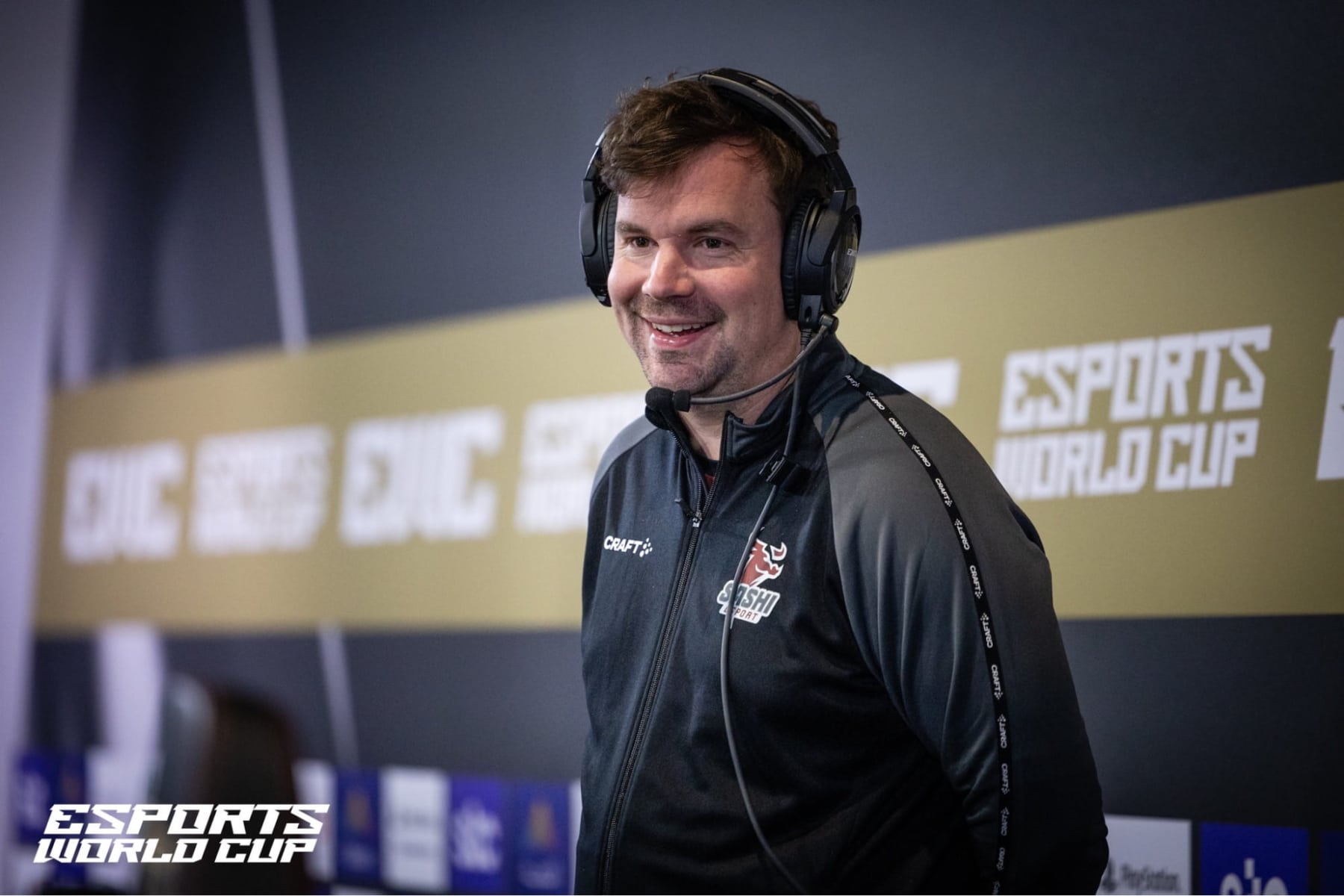
The Coach place is normally held by legends within the Counter-Strike esports scene. Older gamers who’ve retired from aggressive play and are nonetheless searching for the possibility to compete, you’d suppose they know higher, however attributable to a bug within the sport, which enabled the coach function within the server to have a unintended spectator view which allowed them to offer the gamers with data that they wouldn’t usually be capable of receive like participant positions.
The fallout was intensive following this discovery; an investigation was led by the esports integrity fee, which found that a number of coaches had abused this observe throughout all areas, not simply in a single specific space. The bug was exploited to various levels, resulting in a spread of actions taken by Valve, together with fines, momentary bans, and lifelong bans. In all probability essentially the most well-known coach, Nicolai “HUNDEN” Petersen, who was the primary coach to be handed a ban.
This left many questions for the viewers of the CS tournaments, as we have no idea how lengthy this exploit was used and the way it went unnoticed. This wasn’t only a failing on Valve’s half, but additionally on the a part of event organisers who have been oblivious to this taking place on-line and on LAN.
Whereas this difficulty was rapidly resolved earlier than the CS2 launch date, it left an enduring impression on the scene, demonstrating that integrity challenges usually are not unique to gamers but additionally have an effect on everybody concerned within the scene.
Conclusion
Counter-Strike 2 launched a brand new engine, superior graphics, and a contemporary aggressive framework, leveraging the teachings realized from CS: GO. Nonetheless, the integrity challenges the historical past of this sport has confronted proceed to forged a shadow. This contains dishonest by professional gamers like KQLY, match-fixing by iBUYPOWER, CS2 playing by recognized creators like Syndicate, and coaches abusing exploits like HUNDEN.
As CS2 continues to flourish and develop, the scandals of the previous fade into the background, and Valve continues to refine the principles and laws, demonstrating its dedication to the credibility, integrity, and longevity of the CS2 matches we love to look at.
FAQs
Does CS2 have a dishonest drawback?
Sure, CS2 continues to be battling dishonest throughout each matchmaking and premier gaming modes regardless of the discharge of VAC Dwell. There may be an limitless variety of complaints from gamers about aimbots, wallhacks, and smurfing ruining the sport for the extra informal gamers.
What did CS2 do to skins?
Lately, Valve up to date the trade-up contract system to permit buying and selling of purple skins for knives. This massively elevated the variety of knives on the market and crashed the market on them.
Is CS2 dropping reputation?
No, in keeping with SteamDB, CS2 constantly has over 1.5 million gamers at peak occasions, dropping to round 600,000 through the lowest hours. This has proven that the CS2 participant depend has remained fixed and even improved over time.
Is it protected to play CS2 now?
Sure, whereas there may be nonetheless a cheater drawback, nearly all of your video games is not going to have cheaters. If gamers are extra involved concerning the Anti-cheat of Valve servers, they’ll use FACEIT, which includes a kernel-level anti-cheat thought of safer.
Do CS2 cheaters get banned?
Sure, with the introduction of VAC Dwell, there may be now real-time monitoring of video games, and apparent cheaters needs to be banned from the sport. Nonetheless, they’re additionally nonetheless utilizing signature-based bans, so Valve will recurrently run these VAC waves and cleanse the CS2 servers of cheaters.